聽力損失及其對家庭生活的影響
您是否與聽力損失患者共同生活?如果您在照顧聽力損失的親人時感到不知所措,您並不孤單。有證據表明,當配偶患有聽力損失時,會對整個家庭產生影響。
您的親人有時可能會感到被冷落,或錯過對話中的特殊時刻,但認識到這些情緒是彼此支持和保持聯繫的第一步。透過理解和承認這些感受,您可以增強家庭成員之間的親密感,並互相支持。
聽力損失與情緒健康
重要的是不要忽視您的家人所感受到的情緒。聽力損失會導致孤獨感和無助感,進而影響心理健康。這包括:
焦慮:研究表明,聽力損失患者更容易感到焦慮。您的親人可能會擔心聽力變化或人際關係的維繫。在社交場合,他們可能會擔心錯過重要訊息或產生誤解。
認知能力下降:聽力損失會加速老年人的認知能力下降,增加阿茲海默症和其他類型認知障礙的風險。當大腦需要更努力地去理解沒有聲音的世界時,執行其他任務的能力就會下降,大腦中那些刺激較少的區域可能會隨著時間的推移而改變。及早採取行動有助於您的親人保持更多的參與感、社交聯繫和活力。
抑鬱症:聽力損失患者罹患抑鬱症的風險更。孤獨感會影響您親人的精神狀態,並可能導致情緒低落。保持聯繫並提供情感支持至關重要。
睡眠問題:聽力損失會透過增加耳鳴感知、降低對環境聲音的感知以及導致焦慮或情緒困擾來影響睡眠品質。專注於聽力健康並營造輕鬆的環境有助於改善睡眠。
聽力損失如何影響家庭關係
對於聽力損失患者的家屬來說,有時需要重複說話、在社交場合協助溝通,或是注意到親人逐漸退出活動,都會感到困難重重。研究表明,聽力損失也會增加配偶出現心理健康問題的風險。
好消息是,積極處理聽力損失可以對身心健康產生正面的影響。家庭重視聽力健康有許多重要的原因。良好的聽力有助於建立更牢固的社交關係,改善心理健康,甚至有助於工作。透過處理聽力損失,您可以:
●維護長期聽力健康
●促進與親人之間更好的溝通
●幫助預防認知能力下降
●維護心理健康
您可以嘗試以下這些簡單的方法來建立更牢固的關係,並維持家庭的聯繫。
表達關懷與支持
用心、充滿同情心地與聽力損失者交談,讓他們知道您全力支持他們。鼓勵他們分享自己的感受。
引導他們走過這段旅程
幫助您的親人了解他們的聽力損失,他們可能沒有完全意識到這在多大程度上影響了自己或其他人。
營造安全的環境
確保談話在安全、安靜的地方進行。這樣您的親人會更自在地表達自己。
避免責備
不要責備您的親人出現聽力損失。他們可能沒意識到這會影響了他們和您。
保持開放
傾聽之後,也要表達自己的感受。強調當你的聲音不被聽到時你的感受,關注的是與他們的連繫而非沮喪,並使用開放的肢體語言和用心的對話。
體諒敏感之處
不要因為你的親人聽不清楚某些話而嘲笑他們。不要因為他們聽不見而當眾批評他們。專注於善意,並在需要時提供私人支持,讓你的親人感受到被重視。
讓他們參與其中
強調你想讓他們參與每一次對話。提醒他們,他們很重要,不應該錯過任何社交活動。鼓勵他們參與,並慶祝重要的時刻。
聽力損失會對身心健康造成重大影響。第一步是讓您摯愛的人擁有更好的聽力。尋找離您最近的唯聽香港聽力中心,今天就為您的伴侶或摯愛預約吧。
Choosing Your Hearing Health Solution
Modern hearing aids are designed to help you hear better and support the way you live, work and connect. When selecting a hearing aid, consider what works for your unique lifestyle and priorities.
“Although most hearing aids cater to a wide range of general hearing needs, the right choice still depends on your specific needs,” explains hearing care professional A. Moerman. “You should consider lifestyle factors such as occupation, leisure activities and sound environments to help you find a solution that truly suits you.”
Whether you’re at work, at the gym, or out with friends, modern options are designed to fit right in.
Understanding Hearing Aid Form Factors
Physical design determines how and where you wear the device. This includes factors like size, placement (behind-the-ear or in-the-ear), and how it interacts with other items you wear, such as glasses or hats. It affects comfort during different activities, whether you're working out, socializing, or relaxing at home.
Software design, on the other hand, is all about how the hearing aid processes sound. Hearing aids come with different technology levels, tailored to handle a range of environments, from quiet settings to noisy social gatherings.
The good news is that most software features are now available across different physical styles, giving users more flexibility without having to compromise on performance.
Not all hearing aids are created equal, and we’re not just talking about their shape or how they sit on your ear. The technology inside your hearing aids plays a huge role in how well they perform in your everyday life.
Basic models may be ideal if you mostly spend time in quiet, one-on-one settings. But if your days include business meetings, busy cafes, or outdoor sports, you’ll likely benefit more from advanced to premium hearing aids that can automatically adapt to these more complex environments.
Choosing the right level of technology helps you hear speech clearly, reduce background distractions, and enjoy a more natural and comfortable listening experience in any situation. That’s why it’s a good idea to talk to your audiologist about what kind of support your hearing needs day-to-day, not just how the device looks or feels in your ear.
Common Hearing Aid Choices
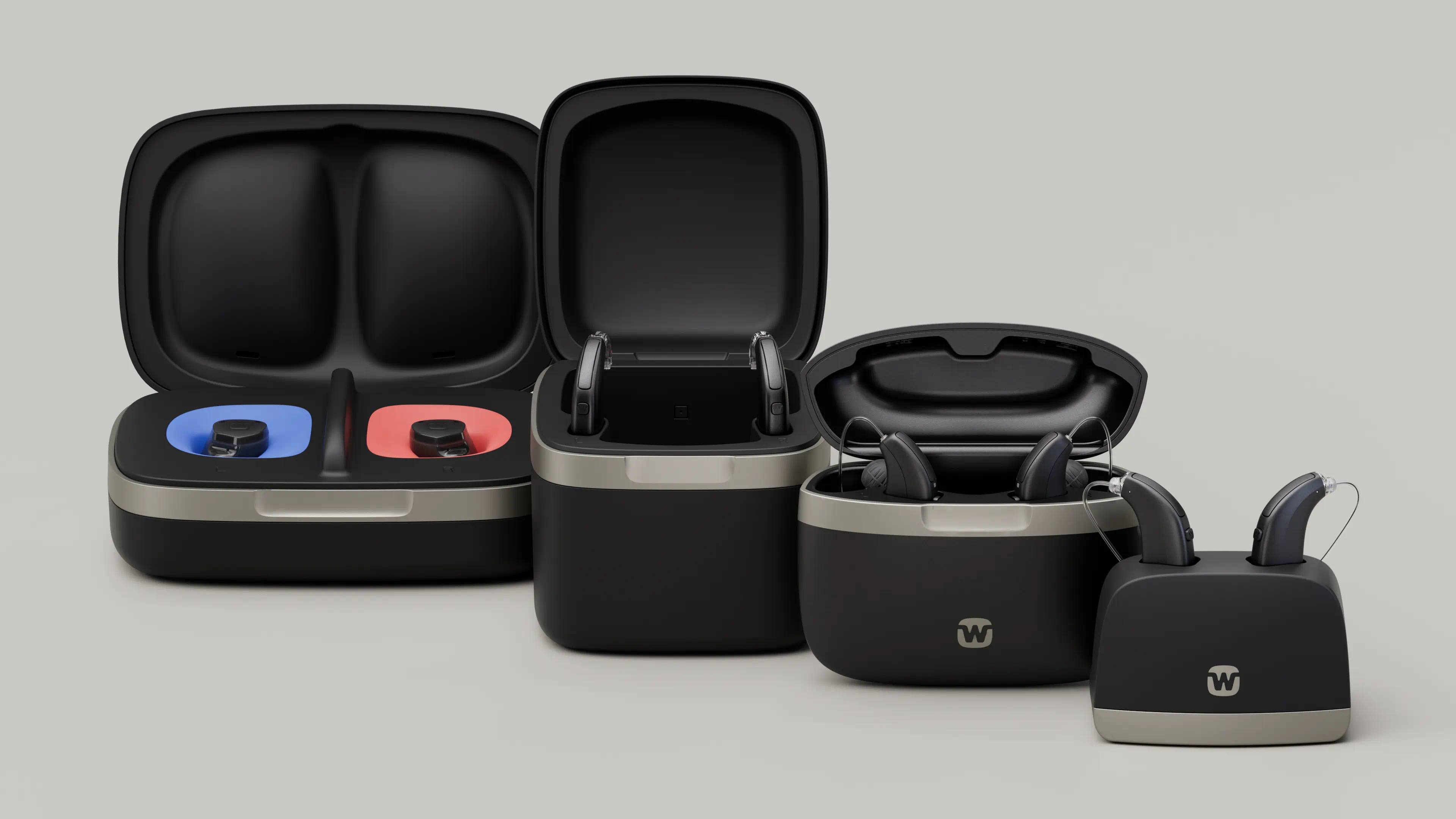
Behind-the-ear (BTE) hearing aids offer a secure, comfortable fit, making them a great choice for active individuals and sports enthusiasts. Their design keeps sensitive parts away from sweat and moisture, enhancing durability.
BTEs are also easier to handle, making them a smart choice for people with dexterity or vision impairments. They are commonly used for mild to profound hearing loss, as they support more powerful amplification and larger batteries.
Custom-made ITE hearing aids are also a well-known type of hearing aid, often chosen for clients with poor dexterity, explains Durrheim. “Due to the custom shape, an ITE hearing aid fits into your ear like a piece in a jigsaw puzzle. Making them comfortable and easy to use.”
There are several types of ITE hearing aids:
Sometimes in life, you can have your cake and eat it, too. A RIC hearing aid is a great example of this, combining the discretion of an ITE with the technology, longevity, and comfort of a BTE.
“RIC or BTE hearing aids, which are fitted well with the right size receiver and/or tube, and proper dome/sleeve/earmolds, will stay in the ear well,” says Moerman, adding “so there is no need to worry about losing your hearing aid”. It’s a great choice if you’re on the move a lot or want added peace of mind.
If you wear glasses, you’ve probably wondered how hearing aids will fit alongside your frames, especially behind the ears. The good news is, many modern hearing aid designs take this into account.
For example, within the popular Receiver-in-Canal (RIC) style, there are slim RIC options that offer a thinner, more discreet profile. These are often more comfortable for glasses wearers as they reduce the feeling of “stacking” devices behind your ears.
Some hearing aid designs have gone a step further, creating devices specifically tailored for those who wear spectacles. These hearing aids are not only sleeker in shape, but some also reposition the microphones for better performance when worn with glasses, helping reduce feedback and improve sound clarity.
Alternatively, if the idea of wearing both glasses and hearing aids at once is not appealing, you might consider In-the-Ear (ITE) hearing aids instead. These sit entirely within the ear and free up space behind the ears, offering a more streamlined option for glasses wearers.